

Commercial property owners constantly balance appearance, safety, and operating budgets. Exterior surfaces in commercial environments collect oil, algae, and grime faster than most owners expect. Commercial pressure-washing prices can be unclear because costs vary widely based on property condition and service scope. These variations influence maintenance timing, vendor selection, and long-term planning. Clear cost awareness supports decisions that protect property value and business credibility.
Services Typically Included in Commercial Pressure Washing
Commercial pressure washing services address exterior areas exposed to daily use and environmental buildup. These services help maintain safety, appearance, and compliance across business properties. Service scope varies by location and industry requirements. Understanding inclusions clarifies what pricing actually covers.
Exterior Surfaces Commonly Cleaned
Commercial pressure washing focuses on hard exterior surfaces. These surfaces often include sidewalks, parking lots, building facades, and service entrances. Some properties require cleaning of dumpster pads, awnings, or drive-through lanes. Contractors use commercial-grade equipment to remove grease, mold, and embedded debris. Cleaning intensity adjusts based on surface condition. This service coverage supports both safety and presentation standards.
Differences Between Commercial and Residential Cleaning
Commercial cleaning varies by scale and exposure. Business properties experience heavier foot traffic and stricter cleanliness expectations. Equipment must handle larger surface areas efficiently. Contractors manage pedestrian safety during active operating hours. Insurance requirements are increasing due to public liability risks. These factors explain the higher commercial pressure-washing prices.
Factors Influencing Commercial Pressure Washing Prices
Commercial pressure washing prices depend on measurable, site-specific factors. Each factor affects labor time, material usage, and preparation requirements. Contractors evaluate these elements during site assessments. Knowing these variables improves pricing transparency.
Property Size and Cleanable Square Footage
Property size directly affects cleaning duration and resource use. Larger surfaces require more water, detergents, and labor hours. Open layouts clean faster than congested spaces. Multi-level buildings require specialized access equipment. Accurate measurements prevent cost adjustments later. This surface assessment anchors most estimates.
Surface Materials and Structural Complexity
Surface material dictates pressure levels and cleaning methods. Concrete tolerates higher pressure than painted siding or decorative brick. Older materials often need gentler treatment. Architectural details increase labor time. Contractors adjust techniques to protect surfaces. These adjustments influence pricing.
Severity of Dirt, Grease, and Biological Growth
Soiling severity shapes cleaning difficulty. Light dust can be removed quickly under standard pressure. Oil stains require degreasers and multiple passes. Mold and algae need dwell time for effective treatment. Heavily soiled zones slow overall progress. This contamination level increases labor and chemical costs.
Pricing Models Used for Commercial Pressure Washing
Commercial pressure washing prices follow established pricing structures. These models help owners estimate costs before requesting quotes. Actual rates vary by property condition. Understanding these models supports budget planning.
Per Square Foot Commercial Pricing
Square-foot pricing is based on the total cleanable area. Rates commonly range from ten to fifty cents per square foot. Larger properties often receive lower per-unit rates. Uniform surfaces allow predictable cleaning timelines. Complex layouts increase per-foot costs. This model suits expansive commercial sites.
Hourly Pricing for Specialized Projects
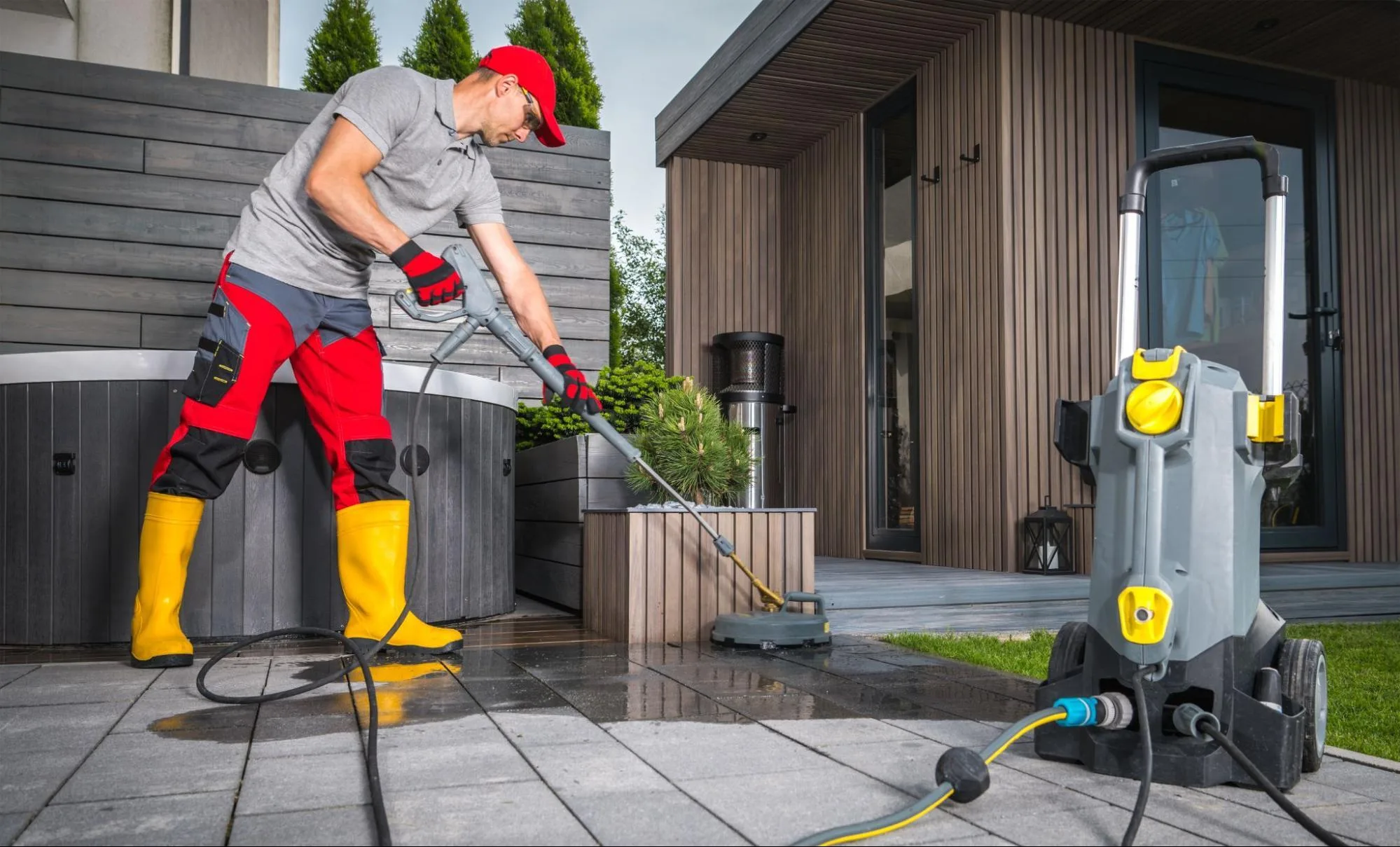
Hourly pricing applies when the scope of cleaning is uncertain. Rates often range from $75 to $150 per hour. Restoration and stain removal jobs frequently use this model. Time estimates may shift during service. Clear communication limits billing confusion. This approach fits irregular cleaning needs.
Flat-Rate Pricing for Routine Maintenance
Flat-rate pricing sets a fixed cost for a defined set of services. Contractors assess the site before finalizing rates. This pricing simplifies budgeting for property managers. Routine cleanings often use flat rates. Clear scope definitions prevent misunderstandings. This model rewards efficiency and consistency.
How Service Scope and Contract Terms Affect Pricing
Commercial pressure-washing prices are often shaped more by contract language than by surface conditions. Service scope definitions determine what cleaning is included and what triggers additional charges. Many property owners approve estimates without reviewing how exclusions affect final billing. Clear scope alignment reduces pricing disputes and unexpected cost increases.
How Scope Definitions Influence Final Costs
Service scope defines which surfaces receive cleaning and to what depth. Broad descriptions may exclude stubborn stains or restoration-level work. Contractors price basic surface cleaning differently from intensive buildup removal. Vague scope language allows add-on charges when conditions exceed assumptions. Clear definitions protect budget accuracy. This clarity improves accountability on both sides.
Conditional Clauses and Price Adjustments
Many contracts include conditional pricing clauses tied to changes in surface conditions. These clauses allow price increases when the buildup exceeds expectations. Owners may overlook these clauses during approval. Environmental buildup often worsens between inspection and service dates. Conditional pricing protects contractors from the risk of underbidding. Understanding these terms prevents surprise costs.
Why Detailed Agreements Support Long-Term Cost Control
Detailed contracts reduce ambiguity across recurring services. Defined expectations prevent repeated renegotiation. Predictable scope supports consistent year-over-year pricing. Contractors also plan labor more accurately. This mutual clarity strengthens service relationships. Stable agreements support better long-term budgeting.
Additional Costs Affecting Commercial Pressure Washing Prices
Commercial pressure-washing prices may include additional charges. These costs relate to logistics, compliance, and scheduling. Owners should review them carefully. Awareness prevents unexpected expenses.
Water Access and Wastewater Control
Water access influences setup efficiency. Limited access may require portable solutions. Drainage regulations often mandate wastewater recovery systems. Local rules govern runoff disposal. Compliance equipment increases operating costs. This requirement protects environmental standards.
Environmental Regulations and Permitting
Many municipalities regulate pressure washing discharge. Permits may apply to commercial properties. Contractors follow strict environmental guidelines. Compliance planning adds preparation time. Violations risk fines and reputational harm. These obligations influence pricing.
After-Hours and Restricted-Time Cleaning
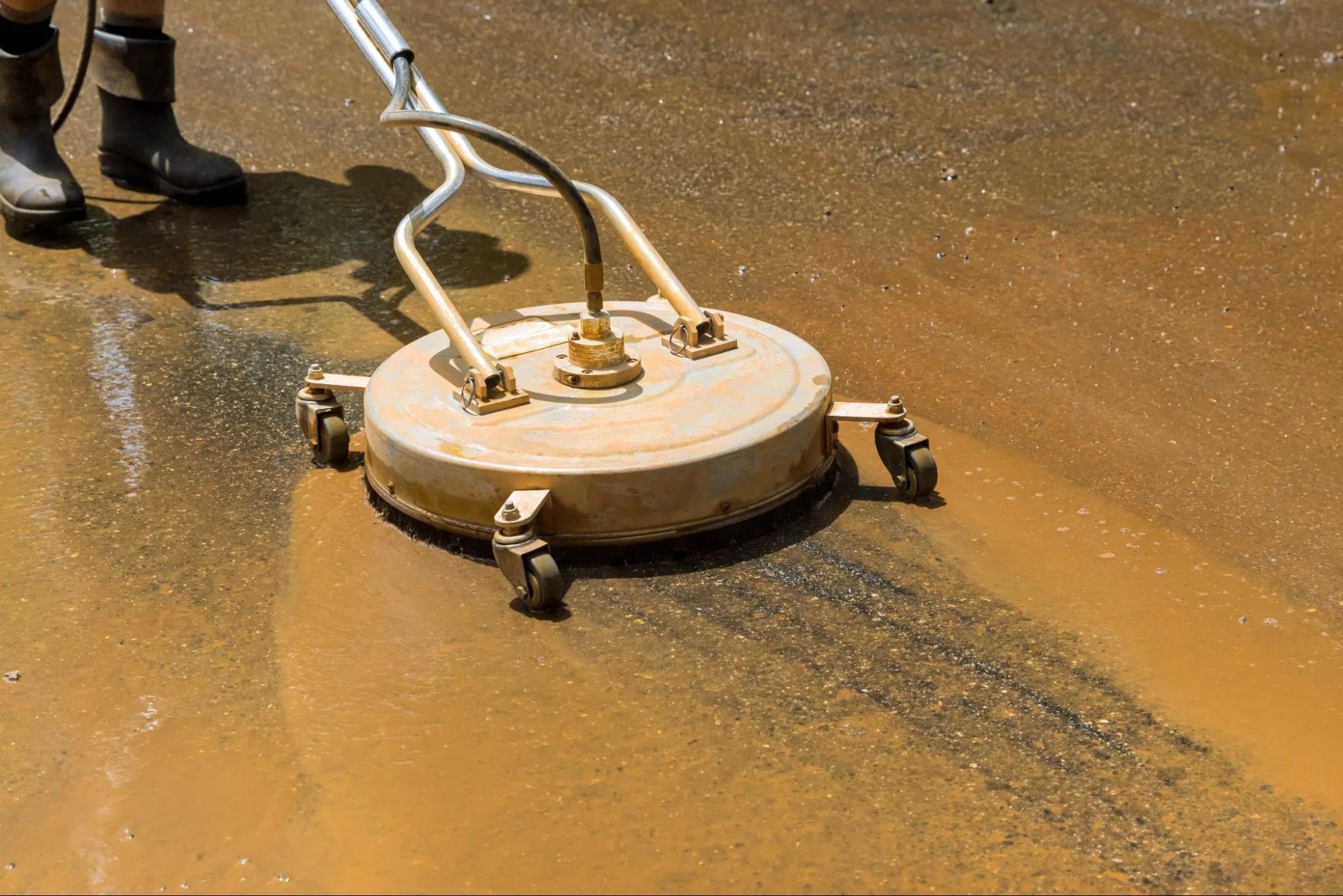
After-hours service reduces business disruption. Night or weekend work often incurs higher costs. Additional lighting and safety measures increase setup needs. Crew availability affects scheduling flexibility. Some sites require overnight cleaning. Scheduling choices influence total cost.
How Local Market Conditions Shape Pricing Differences
Commercial pressure-washing prices vary by location, even for similar properties. Local economic conditions influence labor availability and operating expenses. Environmental enforcement intensity also affects service requirements. Understanding market differences helps multi-property owners budget accurately.
Labor Availability and Regional Wage Pressure
Local labor markets directly influence service pricing. Urban areas often face higher wage competition. Contractors adjust pricing to retain trained crews. Labor shortages increase scheduling costs. Regions with steady workforce availability maintain more stable pricing. Labor conditions shape regional rate expectations.
Environmental Enforcement and Municipal Oversight
Some municipalities enforce wastewater rules more strictly. Compliance requirements differ by jurisdiction. Contractors invest in recovery equipment where oversight increases. Permit processes add preparation time. These regulatory differences affect service pricing. Local rules quietly shape cost structures.
Competition Density and Market Saturation
Pricing behaves differently in saturated markets. High competition encourages tighter margins. Low-competition regions have higher baseline rates. Contractor availability affects scheduling flexibility. Market density influences service responsiveness. These dynamics explain regional price variation.
How to Evaluate Commercial Pressure Washing Quotes
Evaluating quotes requires more than comparing prices. Detailed proposals reveal service quality and professionalism. Clear terms protect property owners from hidden costs. Structured review supports better contractor selection.
What a Professional Quote Should Clearly Show
Professional quotes define all surfaces included. Labor and materials appear transparent. Timeframes support operational planning. Insurance documentation confirms credibility. Equipment and chemical use should be disclosed. This clarity reduces disputes.
Red Flags in Low or Unclear Estimates
Low estimates often omit essential details. Missing insurance signals liability concerns. Unrealistic timelines suggest rushed service. No site inspection increases uncertainty. Hidden fees may surface later. These signs justify caution.
How Site Inspections Affect Quote Accuracy
Contractors identify buildup depth, drainage limitations, and access challenges during walkthroughs. These observations help prevent underestimating labor or equipment needs. Quotes created without inspections rely on assumptions that later lead to higher pricing adjustments. On-site evaluations also clarify scope expectations for both parties. This inspection step supports more stable and defensible pricing.
How Cleaning Frequency Changes Long-Term Pricing
Commercial pressure washing prices vary based on the timing of maintenance. Regular cleaning keeps buildup manageable and predictable. Delayed service increases labor intensity and chemical use. Decisions about cleaning frequency directly affect annual maintenance costs.
Maintenance Cleaning Versus Corrective Cleaning Costs
Maintenance cleaning removes light buildup efficiently. Corrective cleaning addresses hardened stains and embedded grime. Labor time increases significantly during corrective work. Chemical concentration often rises to restore surfaces. Corrective cleaning costs more per visit. Frequency planning reduces this escalation.
Seasonal Timing and Cost Stability
Certain seasons support more efficient cleaning. Moderate temperatures improve detergent effectiveness—during high-demand seasons, contractor availability strains. Off-peak scheduling supports stable pricing. Seasonal planning reduces rush premiums. Timing choices influence cost consistency.
Predictable Schedules and Contractor Pricing Confidence
Recurring schedules help contractors plan resources more effectively. Predictability reduces pricing volatility. Pressure-washing specialists often offer more stable rates for planned service. Emergency cleanings increase operational strain. Predictable timing supports pricing fairness. This structure benefits both parties.
Manage Exterior Cleaning Expenses More Effectively
Exterior cleaning costs remain manageable when decisions are made with foresight rather than urgency. Delayed maintenance often increases labor demands and limits scheduling flexibility. Property owners who understand pricing drivers can plan services that align with operational budgets and site conditions. Consistent planning supports cleaner properties, safer environments, and more stable long-term costs.
Continue building smarter exterior maintenance plans with expert perspectives from the A Plus Power Cleaning blog.